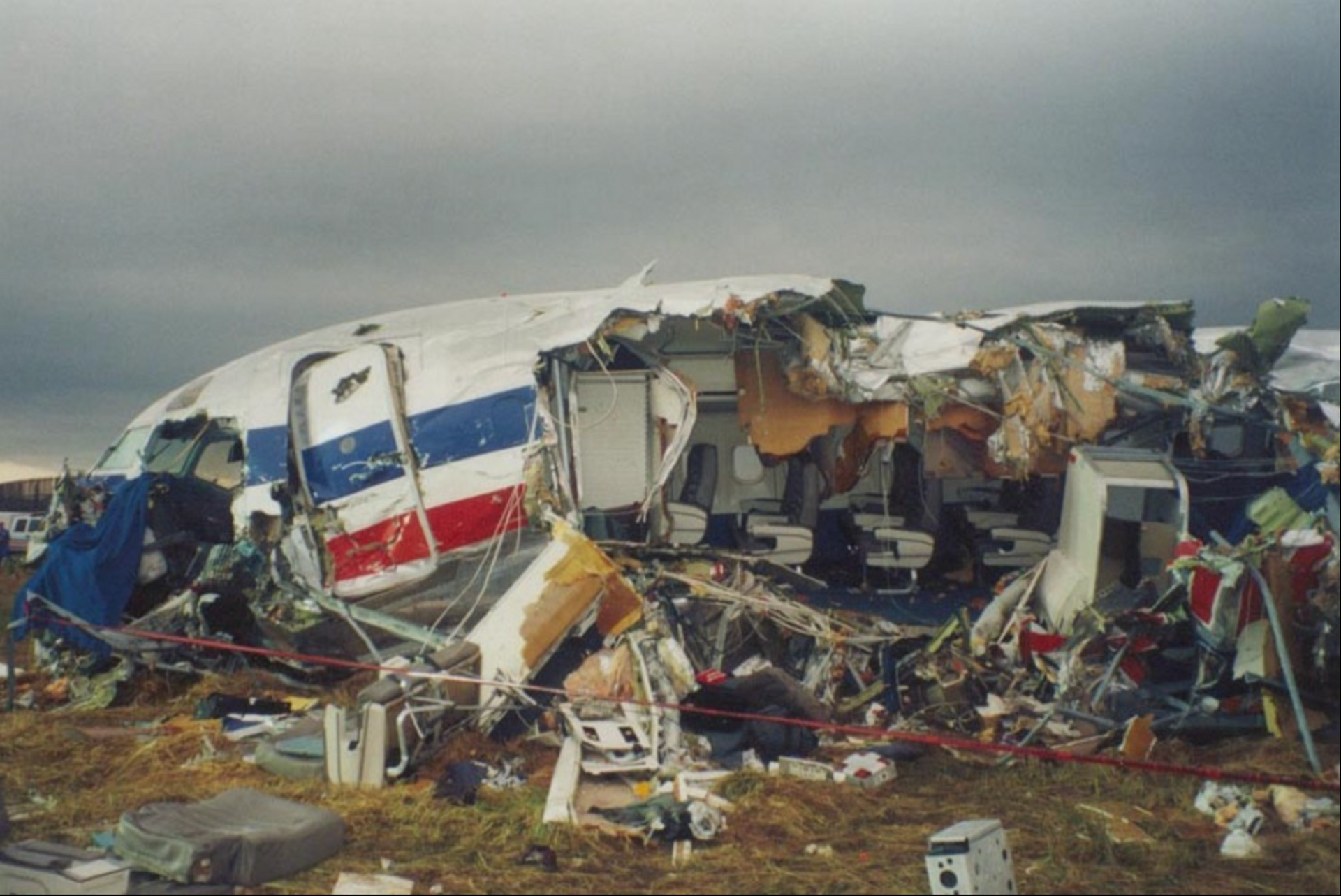
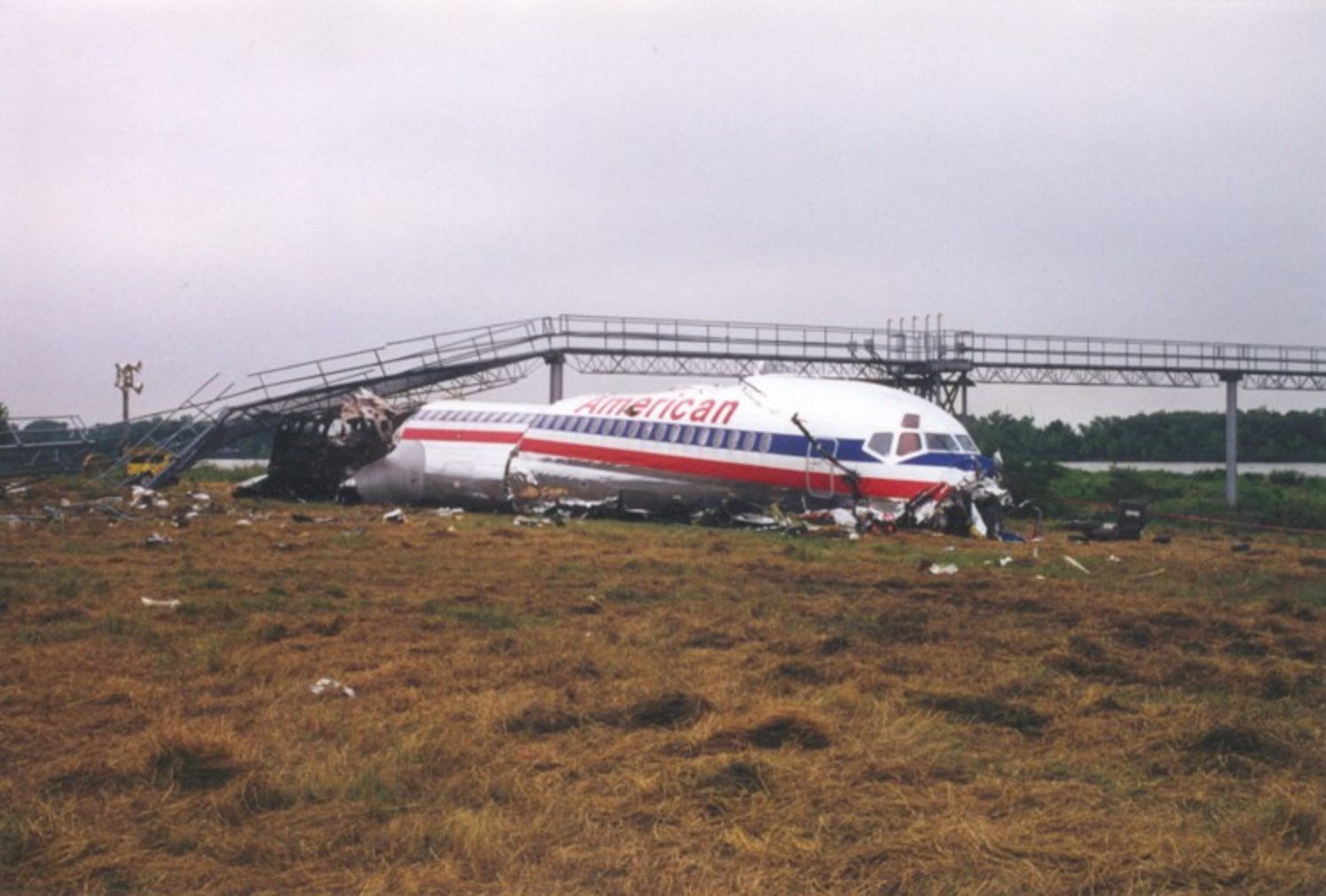
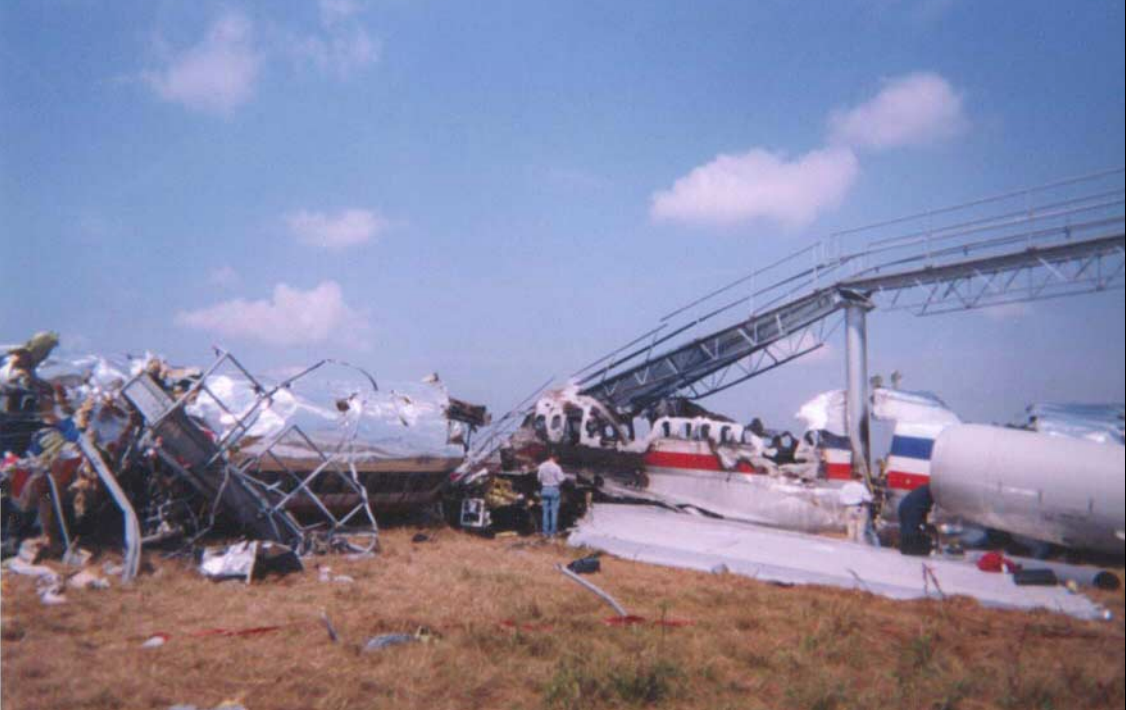
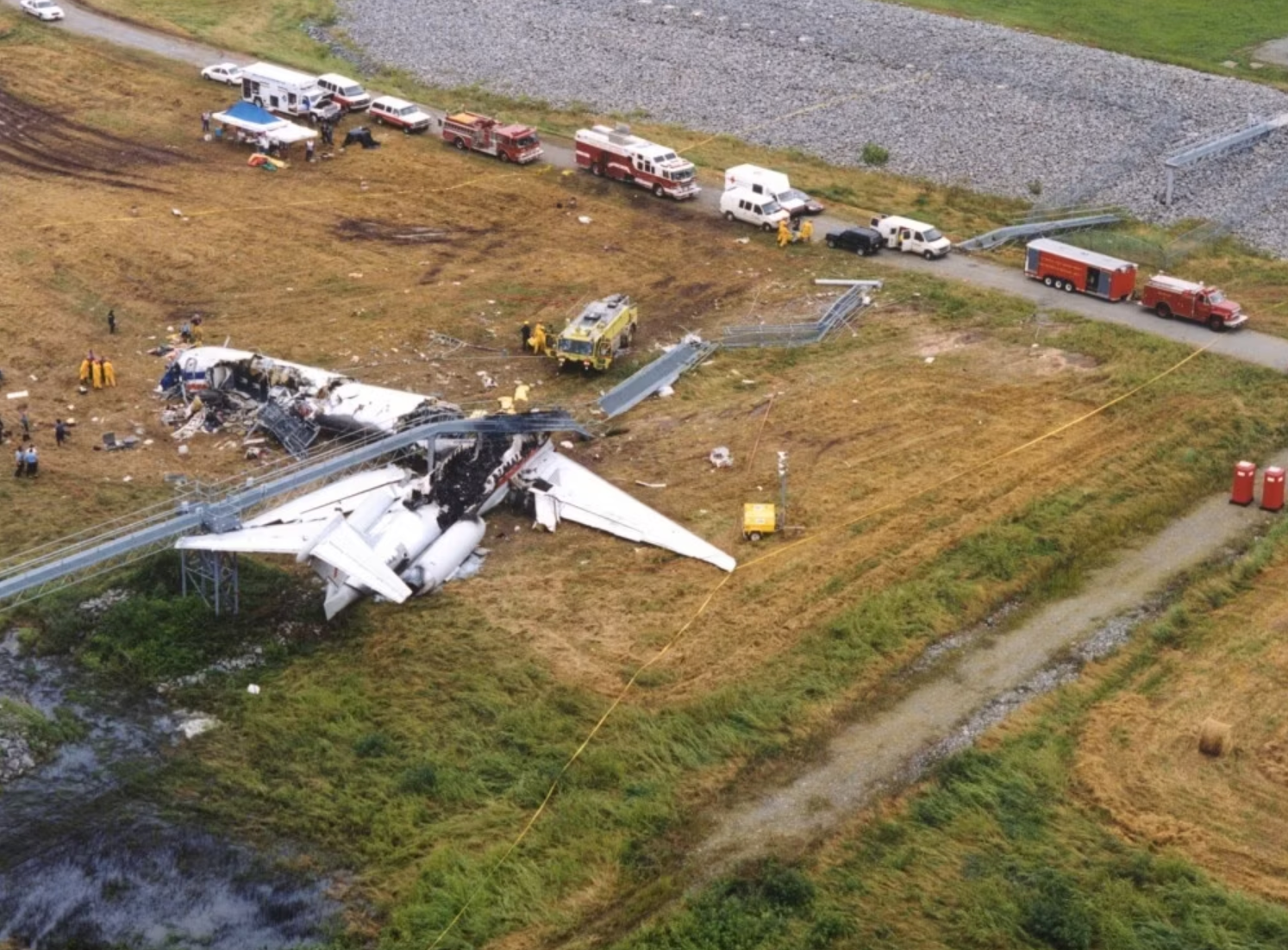
American Airlines Flight 1420 was a tragic event that occurred on June 1, 1999, involving a McDonnell Douglas MD-82 aircraft. The flight, en route from Dallas/Fort Worth International Airport (DFW) to Little Rock National Airport (LIT) in Arkansas, ended in a devastating crash during its attempted landing in adverse weather conditions.
Circumstances of the Crash: Flight 1420 encountered severe thunderstorms and heavy rain as it approached Little Rock National Airport. The weather conditions included strong winds, low visibility, and a microburst, which is a sudden, powerful downdraft of air. The combination of these factors created a challenging situation for the flight crew during the landing attempt.
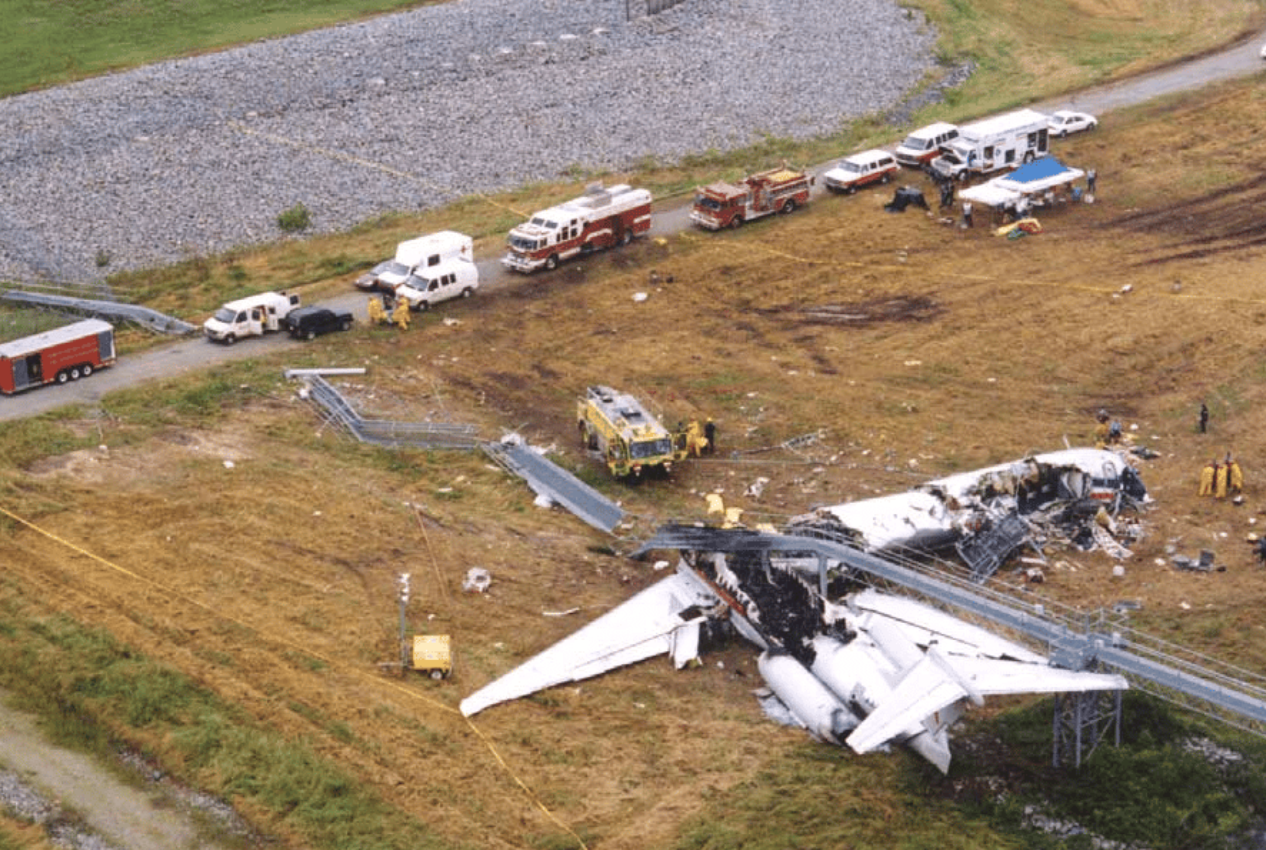
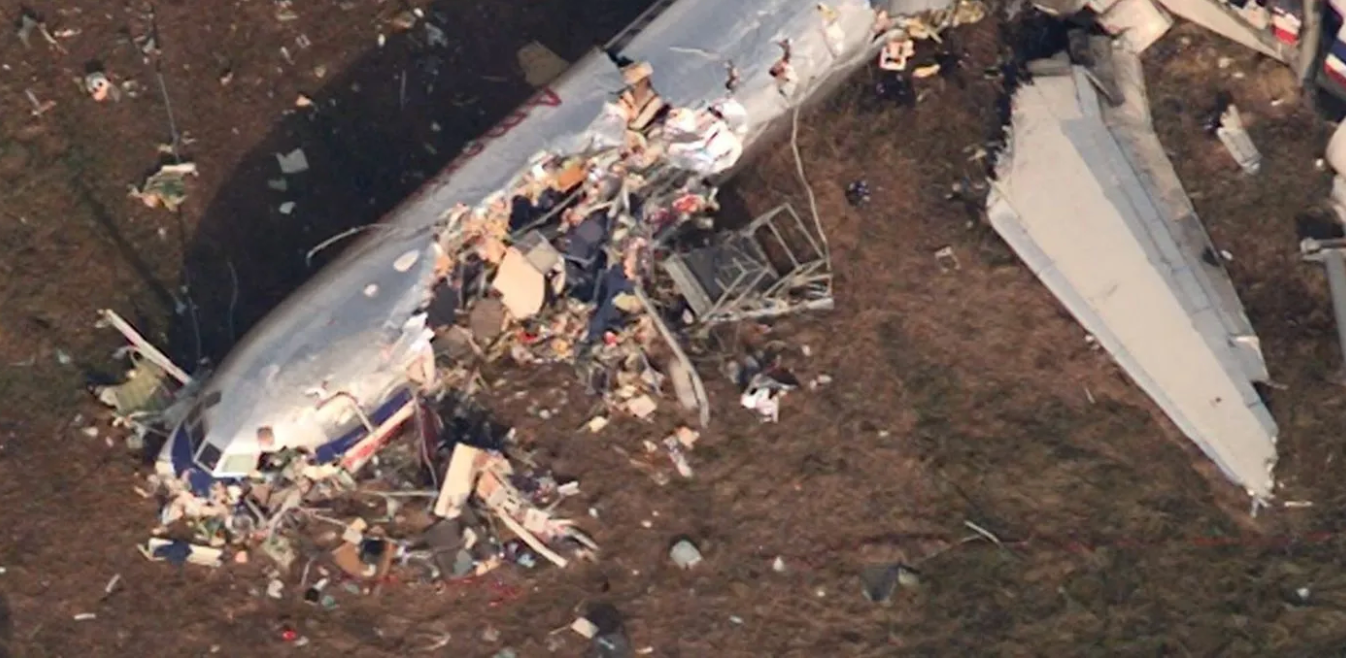
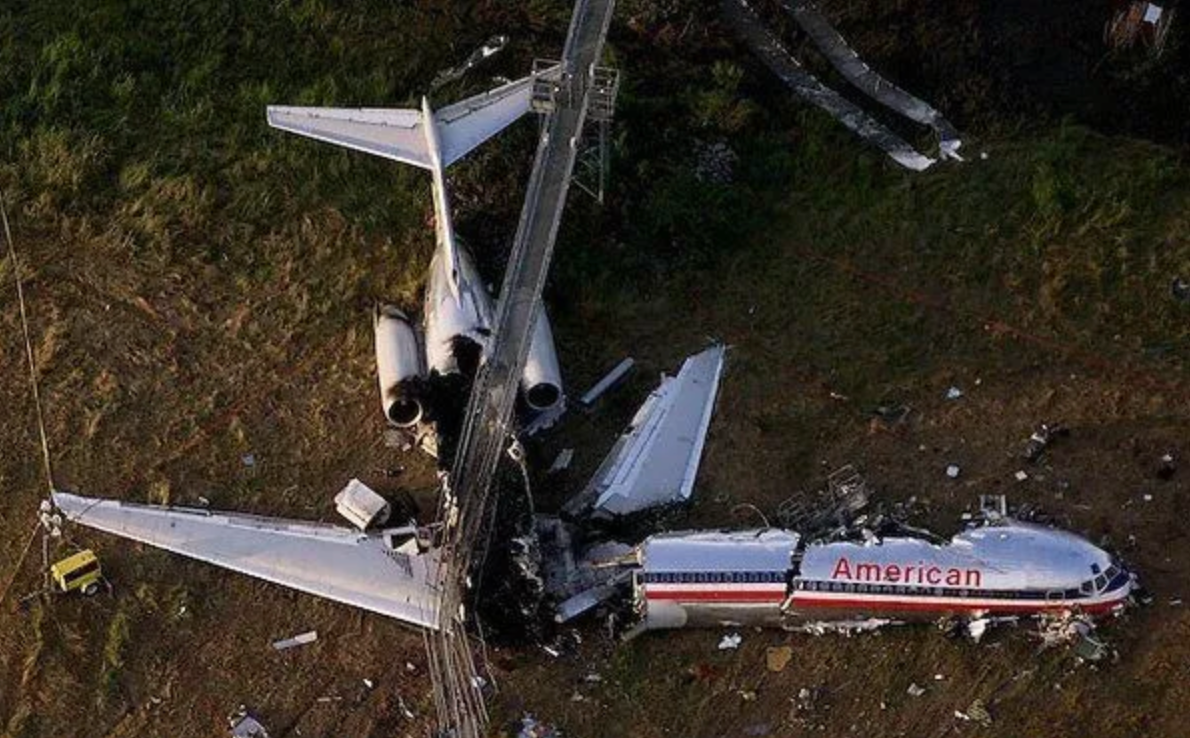
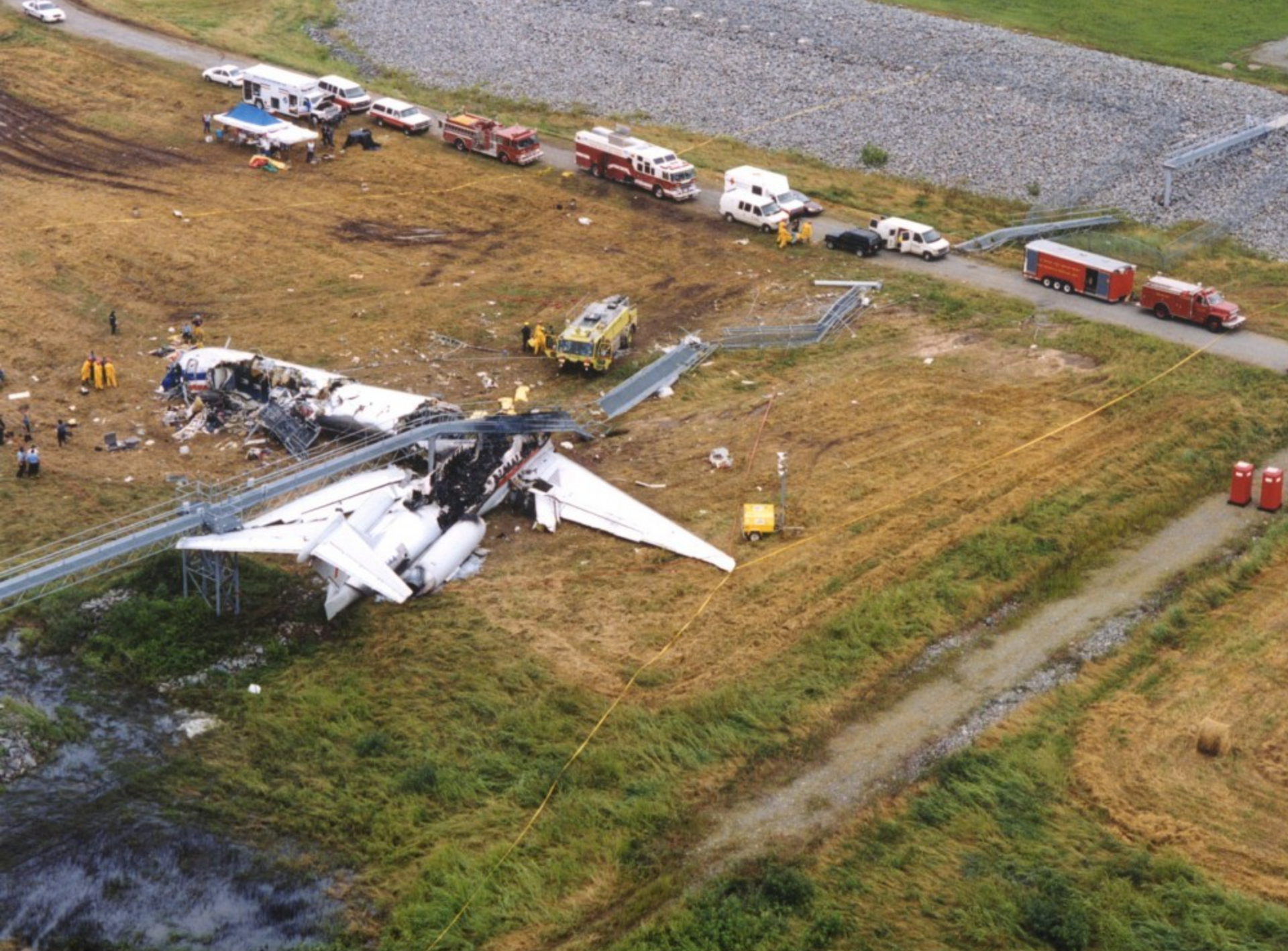
Accident Sequence: As the aircraft attempted to land on runway 4R, it touched down further down the runway than intended. The crew then attempted to execute a go-around, but during the climb, the aircraft encountered the microburst, causing a rapid loss of airspeed and altitude. The MD-82 subsequently collided with obstacles beyond the runway, including the localizer antenna array, before crashing into a light structure and a vehicle maintenance building.
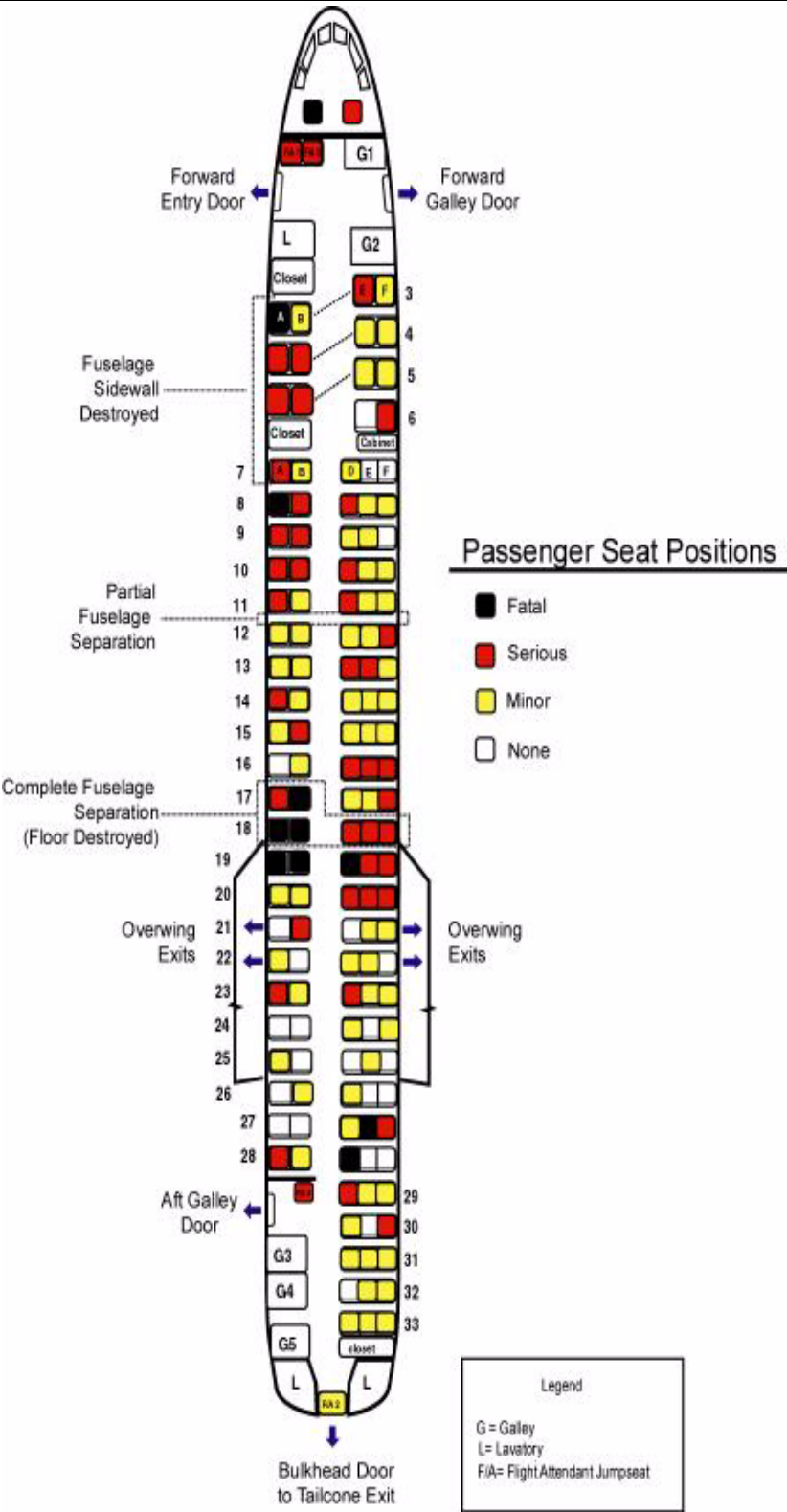
Casualties and Survivors: Tragically, eleven people lost their lives in the crash, including the captain and the first officer. Many passengers and crew members sustained injuries of varying degrees. The crash drew attention to the importance of pilot decision-making in adverse weather conditions and the challenges posed by microbursts during critical phases of flight.
Investigation and Findings: The National Transportation Safety Board (NTSB) conducted an investigation into the crash. The investigation identified several contributing factors, including the adverse weather conditions, the crew’s decision to land in those conditions, and the lack of timely and accurate weather information provided to the flight crew. The findings underscored the challenges of flying in severe weather and the need for improved training and decision-making processes for pilots.
Safety Improvements: In the aftermath of the crash, various safety recommendations were made to enhance aviation safety during adverse weather conditions. These recommendations included improvements in weather information dissemination to flight crews, advancements in cockpit weather radar systems, and enhanced pilot training for dealing with microburst events.
Legacy: The crash of American Airlines Flight 1420 had a lasting impact on aviation safety awareness and contributed to advancements in technology and pilot training to mitigate the risks associated with severe weather phenomena. It underscored the importance of continuous improvement in safety protocols and procedures within the aviation industry.
In conclusion, the crash of American Airlines Flight 1420 was a tragic event that prompted a thorough investigation and led to important safety recommendations. The lessons learned from this incident have contributed to ongoing efforts to enhance aviation safety, particularly in addressing the challenges posed by adverse weather conditions during critical phases of flight.
Sources: FAA, Encyclopedia of Arkansas, Simple Flying, NTSB
Images: Simple Flying, NTSB, Aviation Safety, New York Daily News, Fear of Landing