The Boeing 767 stands as a highly versatile and widely utilized aircraft in the commercial aviation industry. Here’s an overview of this influential aircraft:
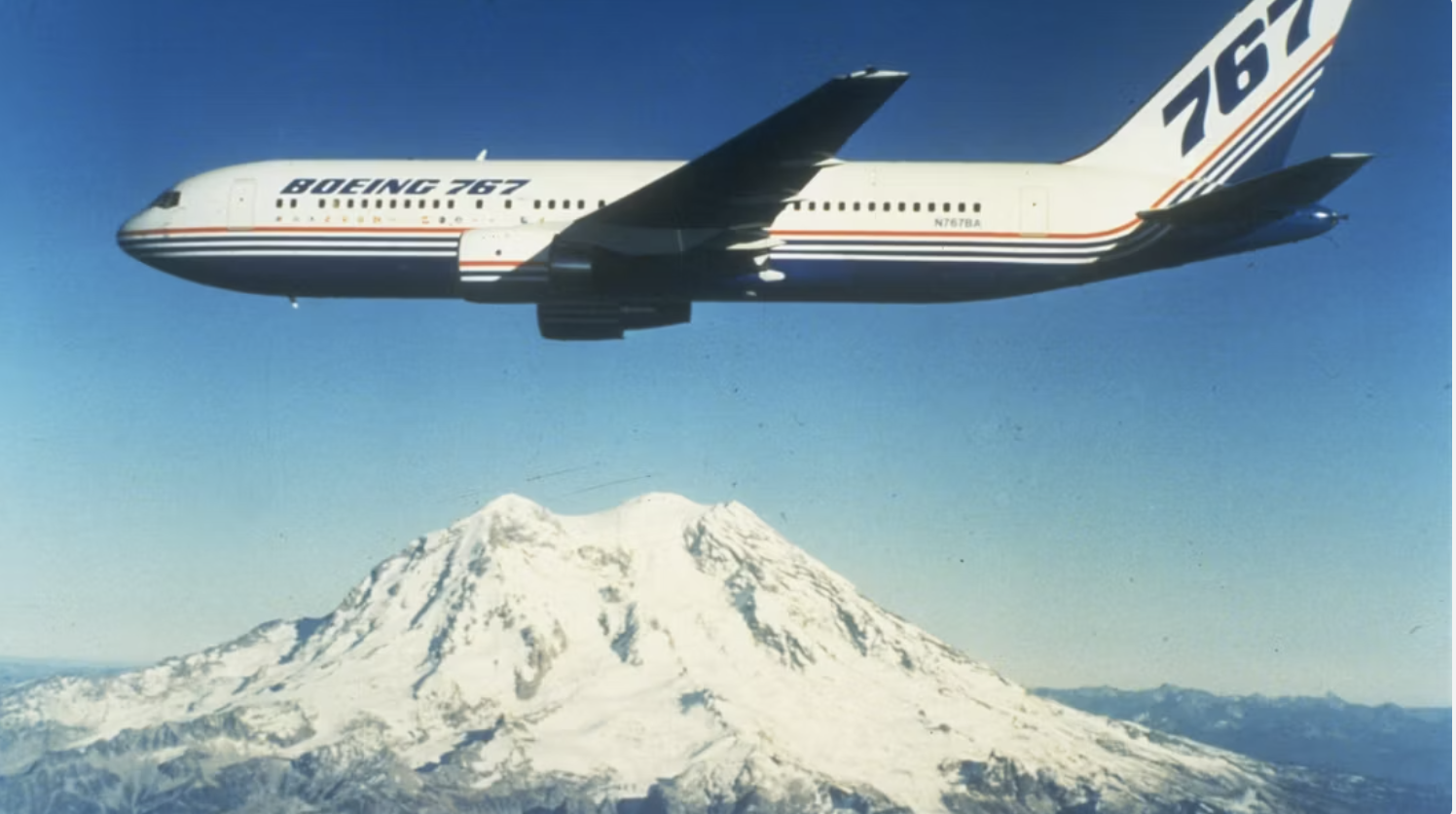
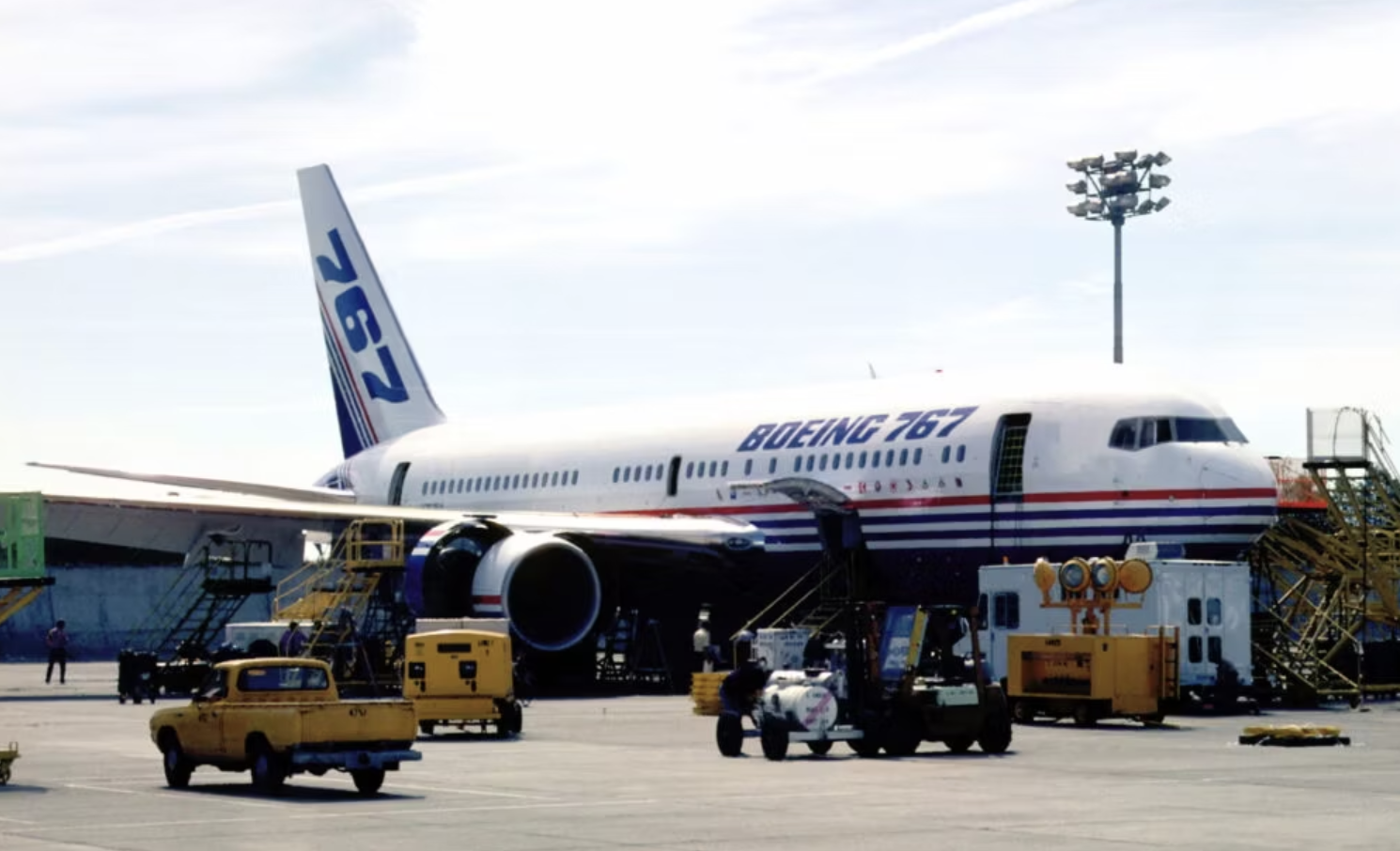
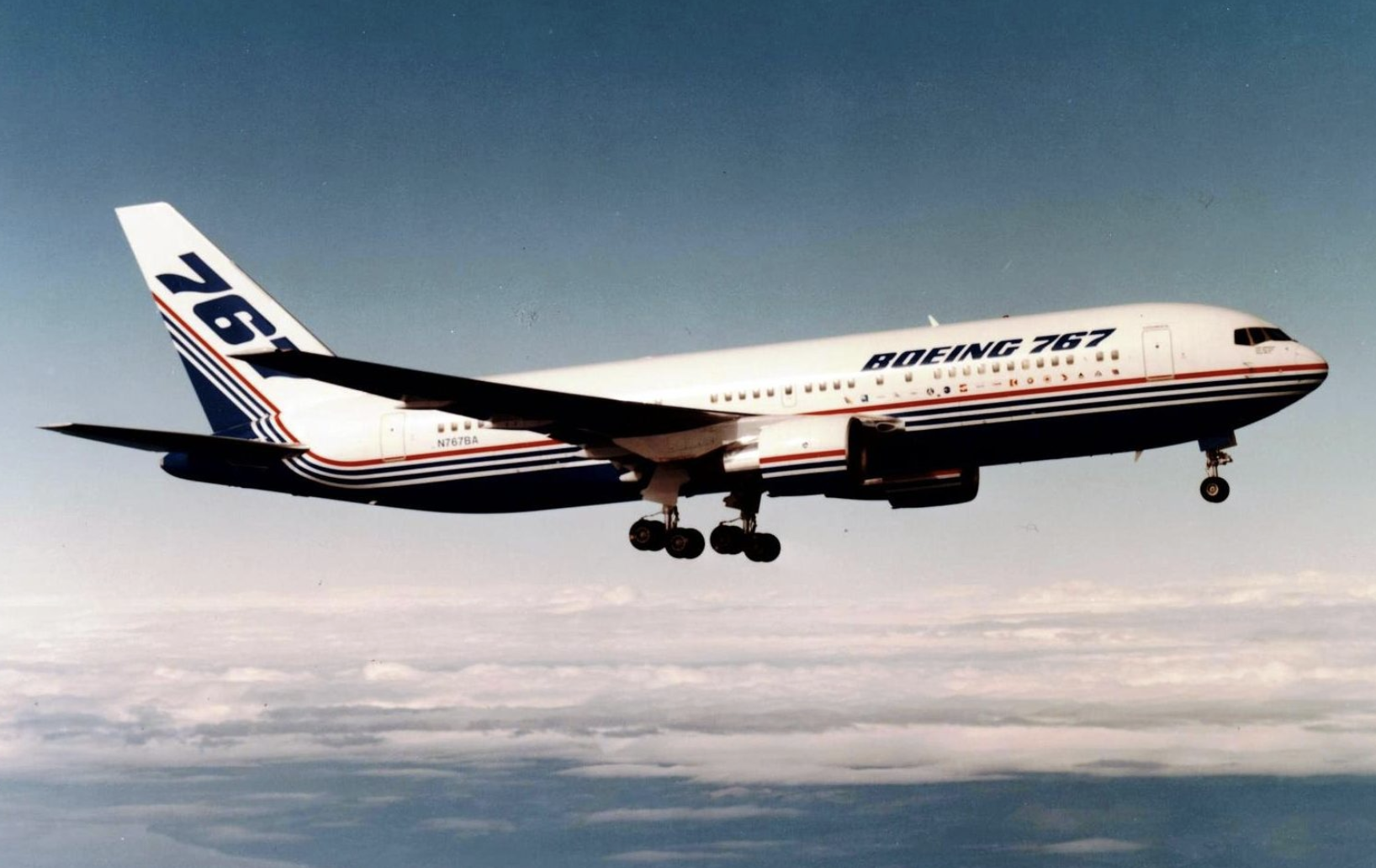
- Development and Introduction: The Boeing 767 was developed in the late 1970s to meet the demand for a mid-sized, wide-body jetliner. It was designed as a successor to the Boeing 727 and to complement the larger Boeing 747. The aircraft made its first flight in September 1981 and entered commercial service with launch customer United Airlines in September 1982.
- Design and Features: The Boeing 767 features a twin-engine, wide-body design with a standard two-aisle cabin layout. Its design incorporates advanced aerodynamics, efficient turbofan engines, and modern avionics systems. The aircraft is known for its spacious and comfortable interior, offering passengers a pleasant flying experience. It is typically configured to accommodate between 181 and 375 passengers, depending on the variant and airline preferences.
- Versatility and Performance: The Boeing 767 is celebrated for its versatility and performance across a wide range of routes and mission profiles. It is capable of operating both short-haul and long-haul flights, making it a popular choice for airlines serving diverse markets. Its fuel efficiency, range, and reliability have contributed to its success in various operating environments, including dense city-to-city routes and transoceanic crossings.
- Variants: Boeing has produced several variants of the 767 to cater to different market segments and customer requirements. These include the baseline 767-200, the extended-range 767-200ER, the larger 767-300, and the long-range 767-300ER. Additionally, Boeing developed the 767-400ER, a further stretched variant with increased seating capacity and range.
- Market Success and Legacy: The Boeing 767 has achieved significant success in the commercial aviation market, with over 1,000 aircraft delivered since its introduction. It has been widely adopted by airlines around the world, serving as a backbone for both passenger and cargo operations. Its versatility, reliability, and operational flexibility have made it a preferred choice for a wide range of carriers, from legacy airlines to low-cost carriers and cargo operators.
- Continued Relevance and Evolution: Despite the emergence of newer aircraft models, the Boeing 767 continues to be a key player in the aviation industry. Many airlines have modernized their 767 fleets with upgrades such as winglets, improved engines, and enhanced cabin features to improve efficiency and passenger comfort. Additionally, the 767 has found success as a freighter, with cargo variants serving global air cargo networks.
- Future Prospects: While production of passenger variants has slowed down in recent years, the Boeing 767 remains in demand for both passenger and cargo applications. Boeing continues to support existing fleets with maintenance, repair, and modernization services. Looking ahead, the 767 is expected to remain a valuable asset for airlines and cargo operators, ensuring its enduring legacy in the aviation industry.
Source: Skybrary, Simpleflying, Delta Flight Museum, Britannica
Images: Aerospace Technology, Assemblymag, Simpleflying, Djsaviation, Reddit/njsullyalex