Overview
Philippine Airlines Flight 434 was a scheduled international flight from Cebu to Tokyo via Manila. On December 11, 1994, the flight became the target of a terrorist attack as part of the larger Bojinka Plot orchestrated by Ramzi Yousef and Khalid Sheikh Mohammed. The incident marked a significant moment in aviation history due to the implications it had on international security and counter-terrorism measures.
The Incident
The flight was operated by a Boeing 747-283B, registered as EI-BWF, with 273 passengers and 20 crew members on board. The flight took off from Manila and was en route to Tokyo when the bomb exploded.
Bombing
Ramzi Yousef boarded the flight in Manila under the alias Armaldo Forlani, carrying a nitroglycerin-based liquid explosive hidden in a contact lens solution bottle and a Casio digital watch modified to function as a timer. Yousef assembled the bomb in the aircraft’s lavatory and placed it under seat 26K before disembarking during the plane’s layover in Cebu.
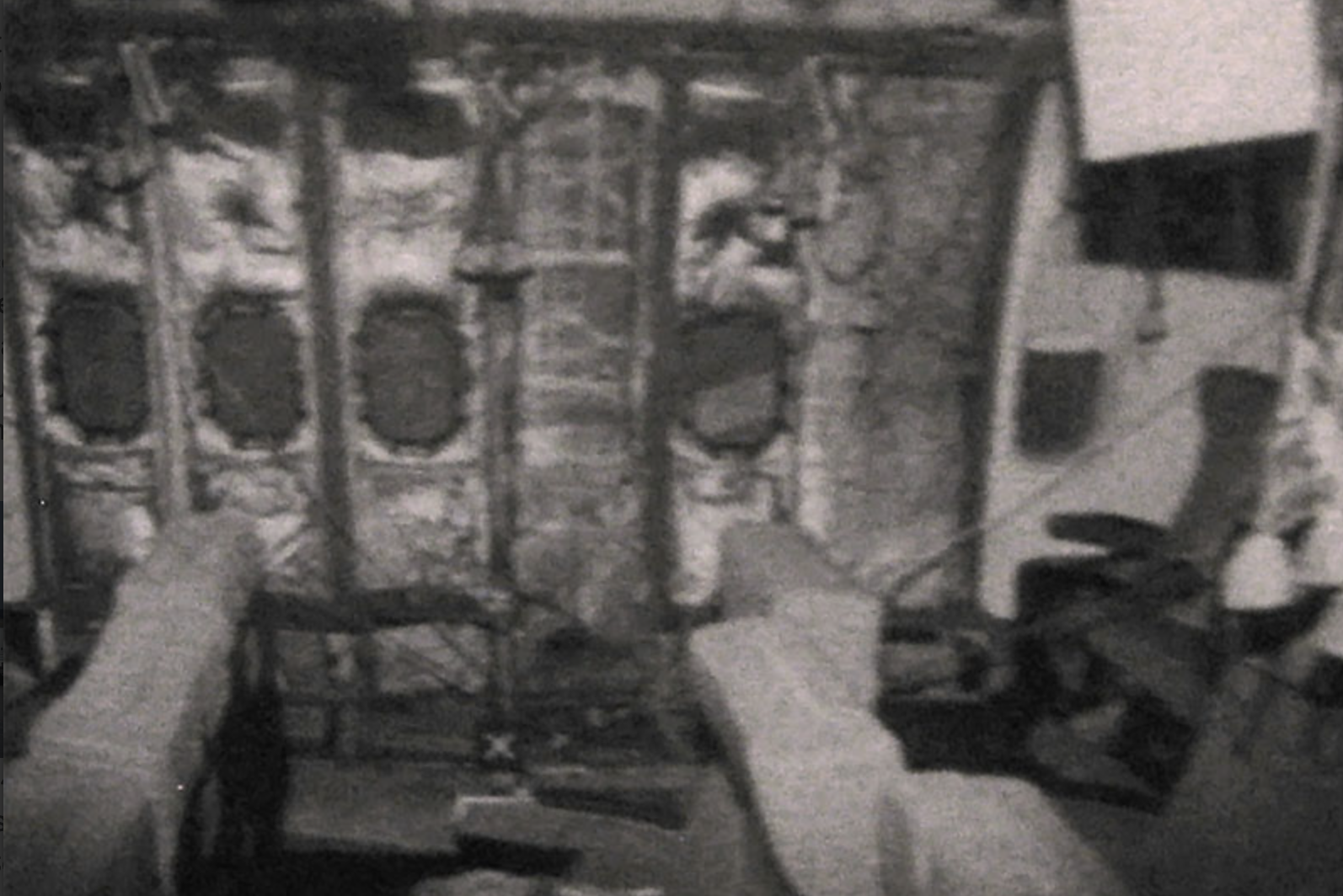
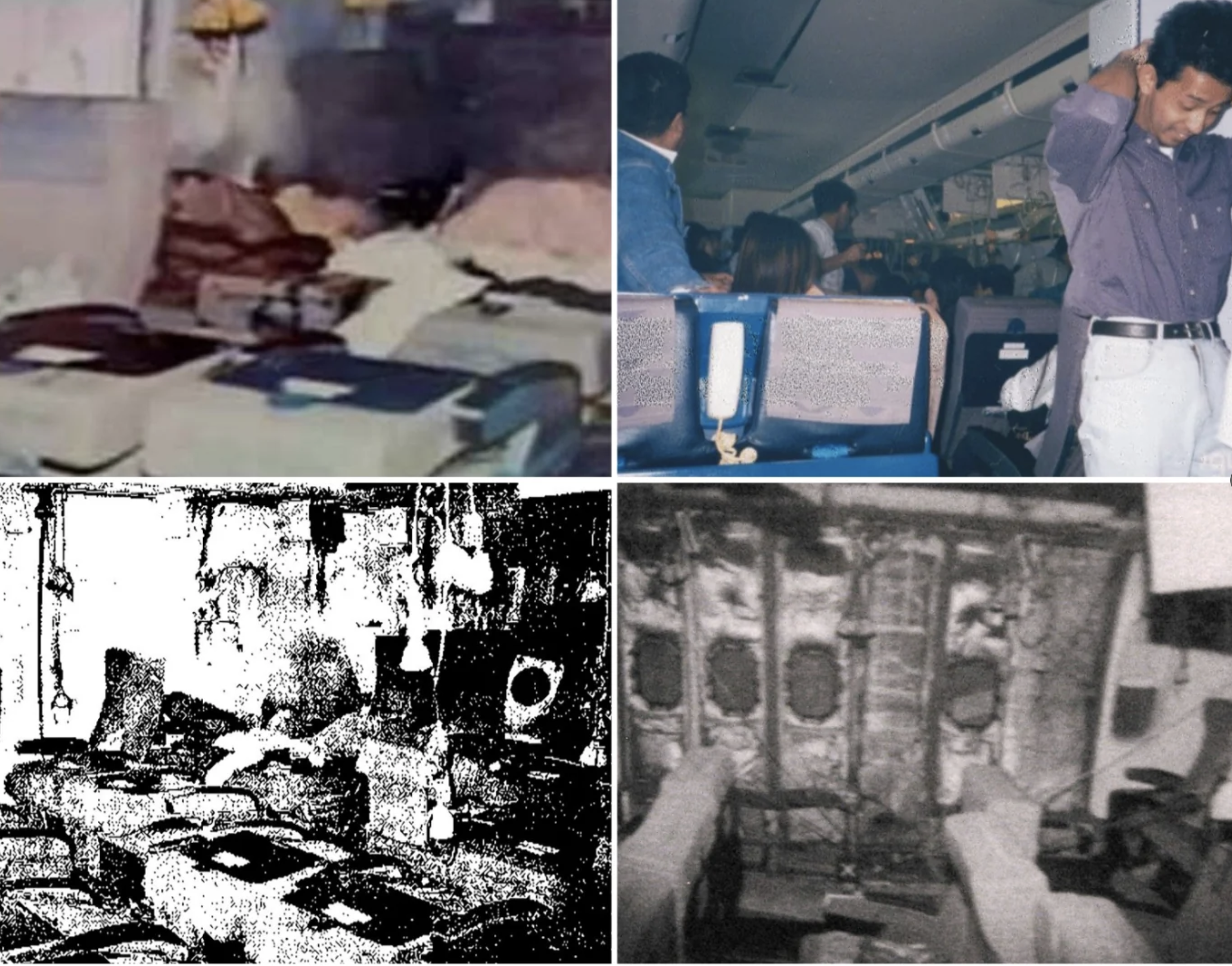
At approximately 11:43 AM, over the Philippine Sea, the bomb detonated, killing a Japanese businessman named Haruki Ikegami who was seated in 26K. The explosion blew a hole in the fuselage, causing a rapid decompression. Despite the explosion, the aircraft remained structurally intact, and the crew was able to maintain control of the plane.
Immediate Response
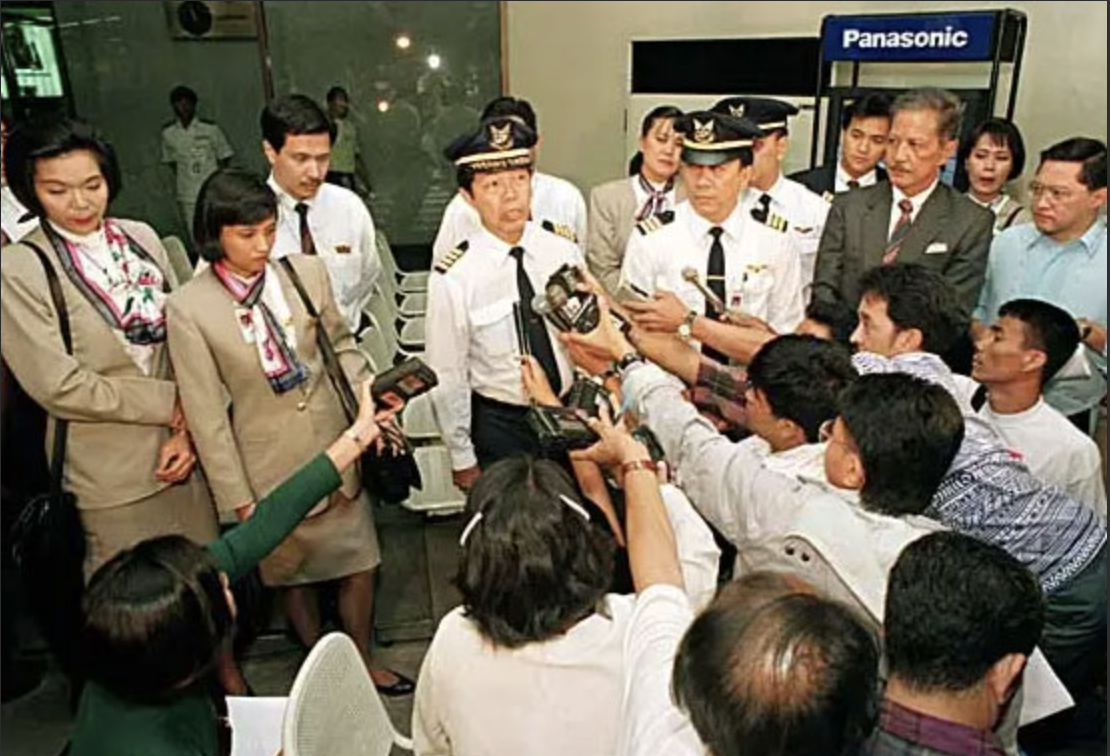
Captain Eduardo “Ed” Reyes, an experienced pilot, along with his crew, managed to stabilize the aircraft and perform an emergency landing at Naha Airport in Okinawa, Japan. Their quick and effective response was critical in ensuring the survival of the remaining 272 passengers and 19 crew members.
Investigation and Aftermath
The investigation revealed that the bombing was a test run for the Bojinka Plot, which planned to bomb multiple airliners over the Pacific Ocean. The plot was ultimately foiled in January 1995 after a fire in an apartment in Manila led authorities to discover the plans and arrest key conspirators, including Abdul Hakim Murad and Wali Khan Amin Shah.
Ramzi Yousef was later captured in Pakistan in 1995 and extradited to the United States. He was convicted for his role in the Bojinka Plot and other terrorist activities, receiving a life sentence without the possibility of parole.
Impact on Aviation Security
The attack on Philippine Airlines Flight 434 underscored vulnerabilities in aviation security, particularly concerning the screening of passengers and carry-on luggage. In response, measures were strengthened globally, including improved passenger screening processes, enhanced in-flight security protocols, and increased international cooperation in counter-terrorism efforts.
Legacy
The incident remains a stark reminder of the persistent threat posed by terrorism and the importance of vigilance in aviation security. The heroism of the flight crew, particularly Captain Reyes, is remembered as a testament to professional skill and composure in crisis situations.
Sources: Simple Flying, Dbpedia, Sam Chui, Hard Landings
Images: Simple Flying, Take to the sky podcast, reddit/BoomerangHorseGuy